Introduction
Apple’s competitive advantage extends beyond the success of individual products. While many technology companies control only particular layers of the customer experience, Apple controls major elements of the system, integrating hardware, operating systems, software and services around a consistent design philosophy.
In the 2025 financial year, Apple generated $416.2 billion in total net sales, an increase of 6% from 2024. This research examines how Apple built an ecosystem that customers rarely leave. It argues that Apple’s competitive advantage is supported by ecosystem integration, intuitive design, user familiarity and privacy and security features. Together, these elements can increase the value of remaining within the system. [1]
Business and financial context
In the financial year ended 27 September 2025, Apple generated $416.2 billion in total net sales, compared with $391.0 billion in 2024. Its business spans the iPhone, Mac, iPad and Wearables, Home and Accessories product categories, alongside Services, which includes areas such as advertising, the App Store and cloud services. [1]
This combination is strategically important to Apple’s ecosystem model. Hardware provides multiple entry points into the ecosystem, while services extend the customer relationship beyond an individual device purchase. Apple’s business structure therefore reflects a model increasingly shaped by the interaction between products and services rather than by isolated hardware categories alone.
The logic of Apple’s ecosystem
Defining the ecosystem
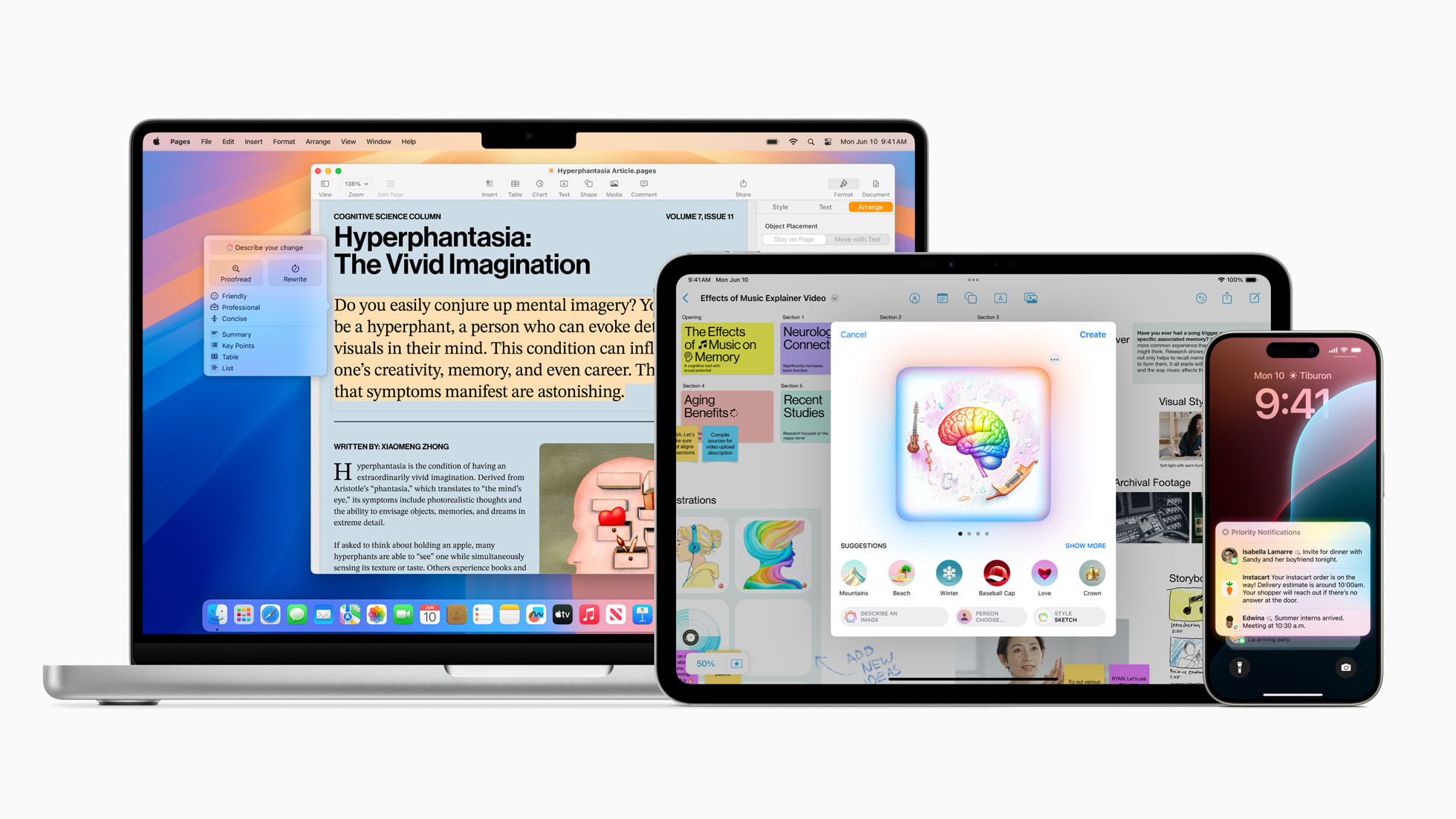
Apple’s ecosystem is not simply a collection of products. It is a connected system of hardware, operating systems, software and services designed to work together. The system spans products including iPhone, iPad, Mac, Apple Watch, AirPods, Apple TV and Apple Vision Pro, as well as services such as iCloud and the App Store.
Each product can provide value independently, but using additional Apple products can increase the functionality and convenience of those already owned. For example, an iPhone becomes more useful when paired with a Mac, Apple Watch or AirPods because supported information, communications and workflows can continue across devices. Apple’s Continuity features demonstrate this relationship through functions such as Handoff, Universal Clipboard, AirDrop, Sidecar and Universal Control. [5]
From product value to system value
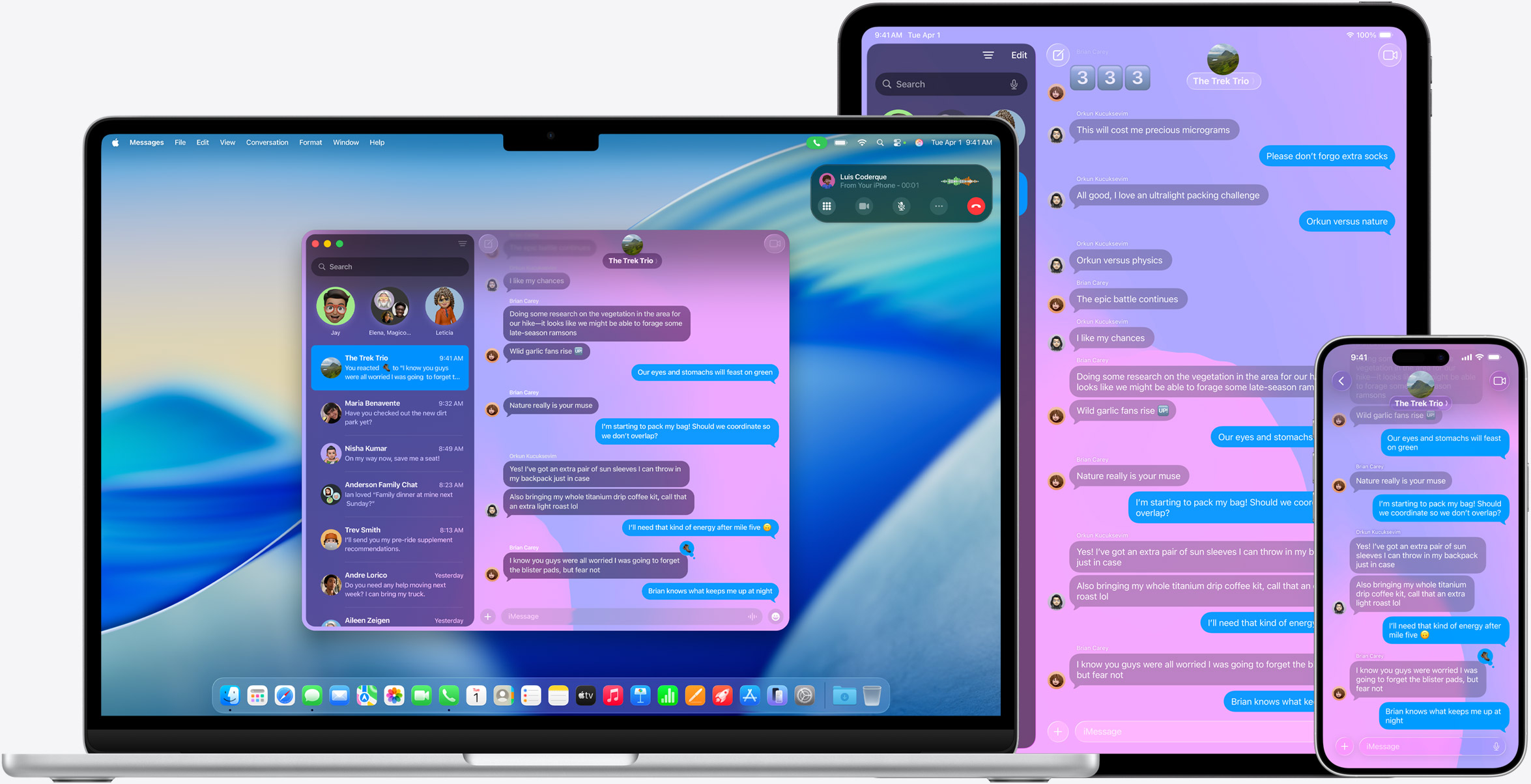
As participation in an ecosystem expands, competition can shift from individual products to the wider system. A customer who owns only an iPhone may compare it directly with competing smartphones. However, when that customer also uses a Mac, Apple Watch, AirPods, iCloud and other Apple services, replacing one device can affect the value and convenience of the broader system.
Apple therefore competes not only through the performance of individual products, but also through the value created by the relationships between them. As a customer adopts more parts of the ecosystem, the system as a whole can become more important to future purchasing decisions.
The feedback loop
This system-level value can create a self-reinforcing cycle. As customers add more Apple products and services, the ecosystem can become more useful and more deeply integrated into their daily routines. Greater participation can then make additional Apple products more attractive, further strengthening the customer’s relationship with the system.
Over time, Apple can benefit from a feedback loop in which broader ecosystem participation increases the value of remaining within it while creating further opportunities to sell additional products and services.
How Apple built an integrated ecosystem
Control of hardware and software
The foundation of Apple’s integrated ecosystem is its control over major parts of both the hardware and software experience. Rather than relying entirely on separate companies to develop devices, operating systems and key components, Apple designs major elements of these layers within the same organisation. This allows products to be developed around a shared user experience rather than operating only as isolated devices. [1]
Shared services and infrastructure
Apple connects its devices through a shared layer of services and digital infrastructure. A single Apple Account gives users access to services including iCloud and the App Store across their devices. Supported information, purchases and services can remain available as users move between products, while Continuity features allow certain tasks and workflows to continue across iPhone, iPad and Mac. [5] [6]
Early familiarity can shape long-term user habits
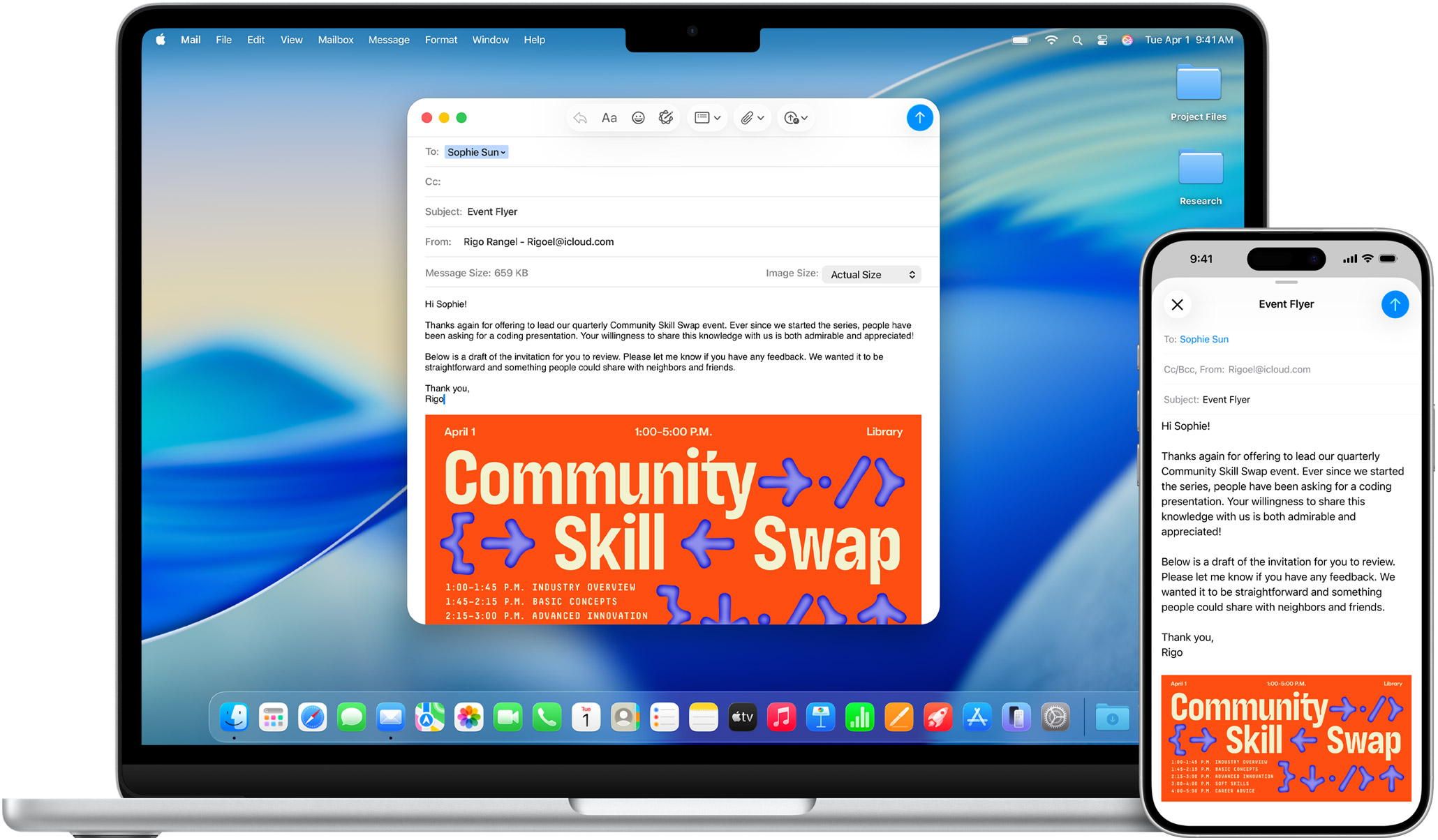
A less visible source of ecosystem strength is user familiarity. People who learn an operating system can become accustomed to its interface conventions, gestures, shortcuts and workflows. A user familiar with macOS, for example, may instinctively use Command-C and Command-V to copy and paste, while a Windows user may be accustomed to Ctrl-C and Ctrl-V.
The same principle applies to trackpad gestures, file management, cloud services and the way devices connect. Early or repeated exposure to these conventions can create procedural familiarity. Moving to another platform may therefore require users to relearn established habits and reconstruct familiar workflows. These are behavioural switching costs rather than contractual restrictions: users remain free to leave, but doing so may require additional time and effort. [4]
Apple’s ecosystem is therefore built through multiple layers of integration rather than through a single feature. Control over hardware and software establishes the technological foundation; shared services connect devices through common infrastructure; and cross-device features reduce friction between products. Together, these layers transform Apple’s portfolio from a collection of individual products into an integrated system.
Design for broad usability
Another important element of Apple’s ecosystem is its emphasis on intuitive, consistent and accessible design. Apple’s Human Interface Guidelines prioritise clear hierarchy, consistency, accessibility and interfaces designed around how people interact with devices. These principles can reduce the technical knowledge required to use different products and make familiar patterns easier to recognise across the ecosystem. [2]
As a result, the same ecosystem can remain approachable to users with different levels of technological experience. The strategic value does not come from removing technical complexity altogether, but from managing much of that complexity within the system and presenting users with more consistent interactions.
Privacy and security features can reinforce this usability. Integrated controls such as app permissions, biometric authentication and system-level privacy settings allow users to manage important security decisions within the operating system. These controls do not eliminate the need for user judgement, but they can combine convenience with a relatively controlled digital environment. [3]
The ecosystem therefore becomes attractive not only because its products work together, but also because users can carry familiar design patterns, accounts and security controls from one Apple product to another.
How the ecosystem creates competitive advantage
Lower friction and greater convenience
Apple’s ecosystem creates value by reducing friction between supported devices and services. Users do not always need to treat an iPhone, Mac, iPad or Apple Watch as an entirely separate system. Accounts, services and certain workflows can remain accessible across products, while features such as Handoff, Universal Clipboard, AirDrop, Sidecar and Universal Control allow devices to complement one another. [5]
This convenience matters strategically because customers can become accustomed to completing everyday tasks within one connected environment. Apple therefore competes not only through the quality of individual products, but also through the ease with which those products can be used together.
Behavioural and functional switching costs
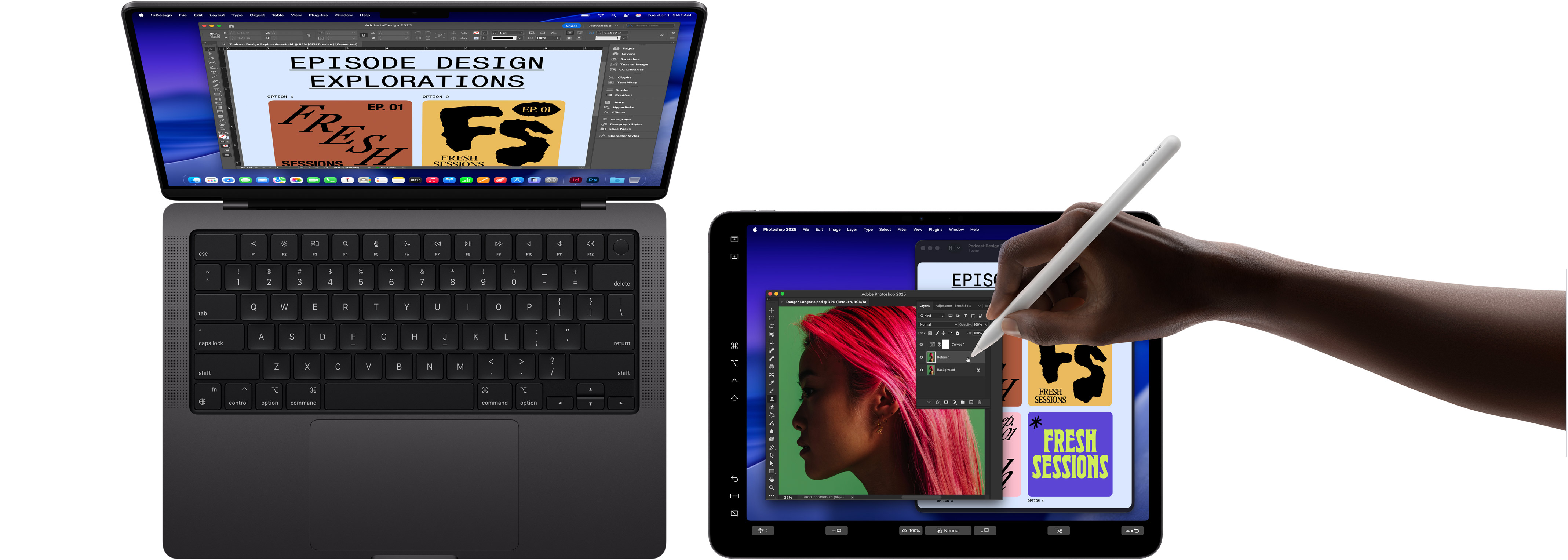
As customers spend more time within the ecosystem, changing platforms can become more costly in behavioural and functional terms. A user may become familiar with Apple’s interface conventions, cloud storage, device connectivity and cross-device workflows. Moving to another platform does not necessarily involve a direct financial penalty, but it may require the user to transfer data, replace incompatible devices or accessories, relearn familiar processes and reconstruct established routines.
These costs vary between users and do not prevent customers from leaving. However, they can make remaining within the Apple ecosystem more attractive even when competing products offer comparable individual features. This reflects the broader concept of procedural and relational switching costs identified in consumer research. [4]
Retention and customer lifetime value
Switching costs and system-level convenience can contribute to stronger customer retention. Many Apple customers own several Apple products and use services such as iCloud, creating a relationship with the company that extends beyond a single purchase.
Customers who already receive value from several connected products may be more likely to consider another Apple product because it can reinforce the system they already use. This does not guarantee future purchases, but it can support longer customer relationships and increase the potential lifetime value generated from each customer. [4]
Differentiation and system-level competition
The ecosystem also strengthens Apple’s differentiation by shifting comparison beyond individual devices. A competing smartphone may offer similar or superior features in isolation, but replacing an iPhone can affect the wider relationship between a customer’s phone, computer, watch, headphones, applications and services.
Competition therefore moves from the product level towards the system level. Apple can differentiate through the combined value of its ecosystem rather than relying on any single feature. Because this value depends on the coordination of multiple products, services and organisational capabilities, it can be more difficult for competitors to replicate than an individual device feature.
Cross-selling and recurring revenue
The ecosystem creates opportunities for Apple to extend its commercial relationship with customers after the initial hardware purchase. An iPhone customer may later purchase an Apple Watch, AirPods, a Mac or another Apple product while also adopting services such as iCloud, Apple Music or AppleCare.
In this way, one successful product can become an entry point into additional product categories and recurring service relationships. The ecosystem therefore allows Apple to generate value across multiple parts of its portfolio rather than relying on a single transaction. [1]
Risks
01 — Geopolitical and trade risk
Apple’s global scale exposes its ecosystem to geopolitical and trade risks. International disputes, tariffs, trade restrictions and other political developments can disrupt production, distribution or access to particular markets. This is strategically important because the ecosystem depends on the availability of both products and services across many countries. Restrictions affecting manufacturing, distribution or market access could therefore influence not only individual product sales, but also the expansion and consistency of the wider ecosystem. [1]
02 — Supply-chain concentration and outsourcing
Apple’s control over product design and the user experience contrasts with its reliance on an internationally distributed supply chain. Apple designs its products, operating systems and many elements of the user experience, but a significant majority of its manufacturing is performed in whole or in part by outsourcing partners. The company also relies on external partners for much of its transportation and logistics management. [1]
These arrangements can reduce operating costs and provide specialised manufacturing capacity, but they also reduce Apple’s direct control over production and distribution. Disruption among key suppliers, assembly partners or logistics providers could affect the cost, quality, quantity or availability of products. Because hardware provides important entry points into the ecosystem, prolonged supply disruption could limit the company’s ability to expand or reinforce the wider system.
03 — Continuous innovation and customer demand
Ecosystem retention does not remove the need for continuous innovation. Integration and familiarity may encourage customers to remain within Apple’s system, but the company must continue developing products, services and technologies that create sufficient value to sustain demand.
As existing devices become more capable and remain useful for longer, customer loyalty alone may not generate frequent replacement purchases. Apple must therefore balance ecosystem consistency with enough meaningful innovation to give customers reasons to upgrade or adopt additional products and services. [1]
Insights
01 — Focus on fundamental customer needs
One transferable lesson from Apple is that technology should remain connected to fundamental customer needs. Features matter, but customers ultimately value solutions to recurring problems. Innovation therefore begins with identifying the friction customers experience and removing it as effectively as possible, rather than adding complexity for its own sake.
02 — Design around human intuition
Simplicity does not necessarily mean reducing functionality. It means reducing the complexity that customers must manage. Apple’s products are technically sophisticated, but many interactions are presented through familiar patterns, clear hierarchy and consistent controls.
The strategic lesson is that businesses can absorb complexity within their systems and expose simpler interfaces to customers. Well-designed systems may be highly complex internally while remaining straightforward to use.
03 — Build systems, not isolated products
Apple also demonstrates that competitive advantage can emerge from the relationships between products rather than from individual products alone. When products, services and experiences reinforce one another, each additional offering can increase the value of the wider system.
For entrepreneurs, this suggests that product strategy should consider not only whether the next product can succeed independently, but also whether it strengthens what the business already provides. A strong ecosystem can turn individual transactions into longer-term customer relationships.
Conclusion
Apple’s ecosystem creates competitive advantage not through any single product or feature, but through the integration of hardware, software and services into a connected system. By controlling major elements of the user experience and designing products to reinforce one another, Apple can increase the value customers receive as they participate more deeply in the ecosystem.
The strategic importance of this model extends beyond convenience. As customers adopt additional products and services, familiarity, integrated workflows and accumulated digital relationships can increase the practical and behavioural costs of moving to another platform. These effects can strengthen retention, create opportunities for cross-selling and recurring service relationships, and shift competition away from individual devices towards the value of the wider system.
Ultimately, Apple’s advantage lies not simply in creating products that customers want to buy, but in building a system that can become more valuable as customers continue to use it.
Revision history
Editorial revision
Edited for grammatical accuracy, terminology, source traceability and analytical precision. The research question, central argument and conclusion were retained.
- Research question
- Retained
- Conclusion
- Retained
- Material change
- No
References
- [1]
Apple Inc. (2025). Form 10-K for the financial year ended 27 September 2025. United States Securities and Exchange Commission. https://www.sec.gov/Archives/edgar/data/320193/000032019325000079/aapl-20250927.htm (accessed 23 August 2026).
- [2]
Apple Inc. (n.d.). Human Interface Guidelines: Design Principles and Accessibility. Apple Developer. https://developer.apple.com/design/human-interface-guidelines/design-principles and https://developer.apple.com/design/human-interface-guidelines/accessibility (accessed 23 August 2026).
- [3]
Apple Inc. (n.d.). Apple Platform Security and Privacy Controls. Apple Support and Apple Privacy. https://support.apple.com/guide/security/intro-to-apple-platform-security-seccd5016d31/web and https://www.apple.com/privacy/control/ (accessed 23 August 2026).
- [4]
Burnham, T. A., Frels, J. K., & Mahajan, V. (2003). “Consumer Switching Costs: A Typology, Antecedents, and Consequences.” Journal of the Academy of Marketing Science, 31, 109–126. https://doi.org/10.1177/0092070302250897 (accessed 23 August 2026).
- [5]
Apple Inc. (n.d.). macOS — Continuity. https://www.apple.com/macos/continuity/ (accessed 23 August 2026).
- [6]
Apple Inc. (n.d.). Manage and use your Apple Account. Apple Support. https://support.apple.com/en-us/105023 (accessed 23 August 2026).